
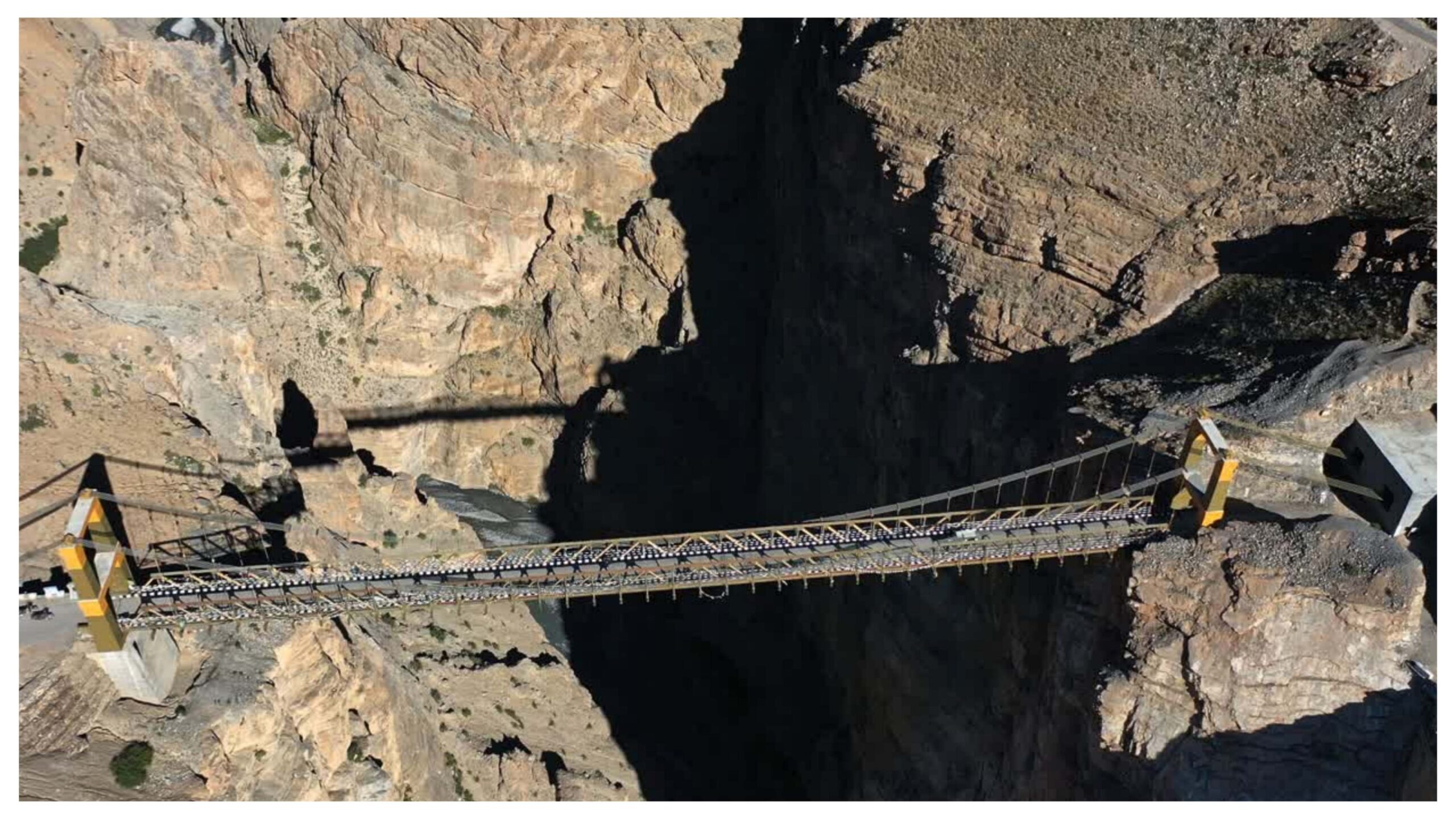
A trip to Spiti Valley isn’t just a vacation; it’s a pilgrimage for the soul. Often called “Little Tibet,” this high-altitude cold desert in Himachal Pradesh is a land of stark contrasts—where jagged, barren mountains meet the soft, turquoise flow of the Spiti River.
If you’re planning a journey to the “Middle Land” in 2026, here is your definitive guide to navigating this rugged paradise.
Why Spiti?
Spiti is RAW. Unlike the lush green of Manali or Shimla, Spiti offers a lunar landscape that feels otherworldly. It’s home to thousand-year-old monasteries, some of the world’s highest inhabited villages, and a culture that remains beautifully untouched by time.
Best Time to Visit (2026)
Timing is everything in the Himalayas. Your experience will change drastically depending on when you go:
- June to September (The Full Circuit): This is the peak season. Both the Shimla-Kinnaur and Manali – Kaza routes are open. Weather is pleasant, and Chandratal Lake is accessible.
- October to February (The White Spiti): Only for the brave. Temperatures can drop to -30. The Manali route closes, and you must enter/exit via Shimla. You’ll see a frozen world, expect basic homestays and frozen pipes.
- March to May (The Awakening): The snow begins to melt. It’s a great “shoulder season” for those who want to see snow without the extreme -30 winter bite.
📍 The Ultimate 8-Day Itinerary
Most travelers prefer the “Circuit Route” (Enter via Shimla, Exit via Manali) for better acclimatization.
| Day | Destination | Highlight |
| 1 | Shimla to Kalpa | Views of the Kinner Kailash range. |
| 2 | Kalpa to Tabo | 1,000-year-old Tabo Monastery (The Ajanta of the Himalayas). |
| 3 | Tabo to Kaza | Visit Dhankar Monastery, perched precariously on a cliff. |
| 4 | Kaza Sightseeing | Key Monastery and the iconic Chicham Bridge. |
| 5 | The High Villages | Hikkim (Highest Post Office), Komic, and Langza (Fossils). |
| 6 | Kaza to Chandratal | The “Moon Lake”—camping under a billion stars. |
| 7 | Chandratal to Manali | Crossing the mighty Kunzum Pass and Rohtang/Atal Tunnel. |
| 8 | Manali to Home | Souvenir shopping and departure. |
🎒 Essential Packing List
The sun in Spiti is harsh, but the wind is freezing. Layering is the golden rule.
- Clothing: Heavy down jacket, thermals (top and bottom), woolen socks, and a windbreaker.
- Sun Protection: SPF 50+ sunscreen, polarized sunglasses (to prevent snow blindness), and lip balm.
- Health: Diamox (for Acute Mountain Sickness – consult a doctor first), hydration salts, and basic first aid.
- Cash: Kaza has the only reliable ATM, and even that frequently runs out. Carry enough cash for the entire trip.
- Connectivity: Only BSNL/MTNL (Postpaid) and occasionally Airtel/Jio work in Kaza. Don’t expect 5G; enjoy the digital detox!
Words of Wisdom
- Respect the Altitude: Don’t rush. Spend at least two nights at lower altitudes (like Shimla or Kalpa) before hitting Kaza.
- Eco-Travel: Spiti is an ecologically fragile zone. Carry your plastic back. The valley doesn’t have a waste management system for tourist trash.
- Permits: International travelers need an Inner Line Permit, which can be obtained in Reckong Peo.
Spiti is a place that demands respect but gives back in wonder. It will challenge your lungs, test your vehicle, and ultimately, clear your mind.





Leave A Comment